

Questions Worth Asking About the Future of College Sports
As policymakers consider the future of college sports, lawmakers need to ask exactly who the college sports system is actually serving.
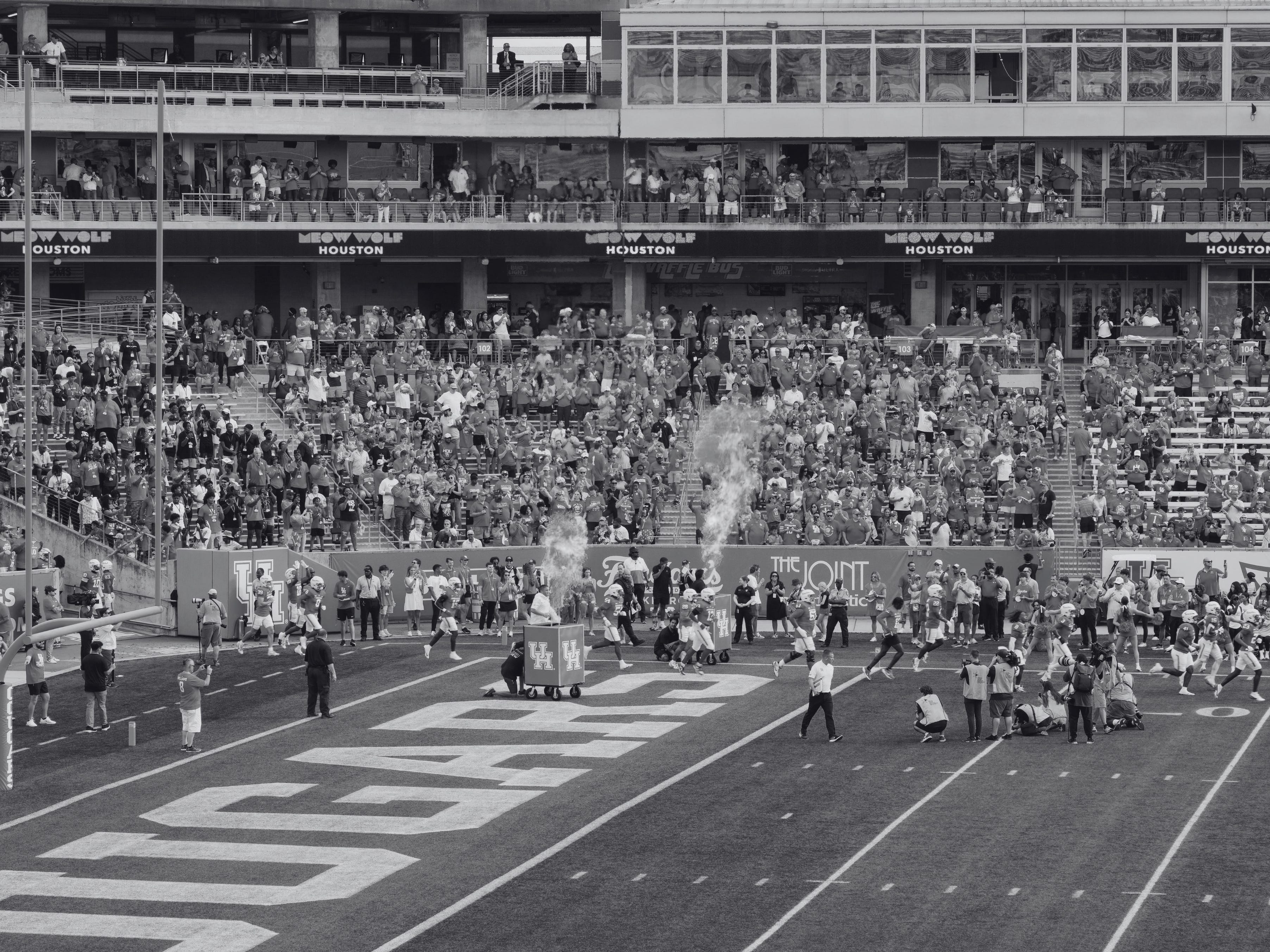
Right now, the NCAA is seeking congressional action on several issues affecting college sports.
Between landmark legal settlements, the chaos of Name, Image, and Likeness (NIL) regulations, and the threat of revenue sharing, collegiate sports leadership is looking to Washington D.C. for a bailout. They want federal legislation to grant them antitrust protections and restore order to their broken system.
But if the NCAA wants federal protection, it is time for federal oversight.
State universities are funded by American taxpayers. Their athletic programs are heavily subsidized by domestic tuition dollars. Yet, as we’ve seen across Olympic and non-revenue sports, the rosters are increasingly filled by older, professional-level international athletes, leaving American high schoolers boxed out of the system built for them.
We’d like to imagine that Congress would be willing to hold a hearing on the future of college sports. Indulging in this imaginary scenario, here are the questions we’d hope they’d ask:
1. Why is there a separate set of rules for overseas competition?
How does a four-year European academy veteran qualify as an amateur? Because that’s what the NCAA is allowing to happen.
The NCAA has strict amateurism rules for American kids. An American kid who plays a single minute in a professional domestic league loses their college eligibility. But the NCAA looks the other way when international recruits arrive with years of experience in overseas semi-pro leagues, national teams, or professional club academies.
Meaning an international player who trains for years in a European professional club system is eligible.
So Congress should ask the NCAA if it will commit to a standardized, rigorous, and public audit of international club experience to ensure foreign recruits are held to the exact same amateurism standards as American high school athletes.
2. Are F-1 student visas being exploited as athletic work visas?
The F-1 visa is designed for international students coming to America primarily to study. Yet, thousands of these visas are being used by older athletes whose primary purpose is to compete as effectively full-time, professional-level athletes for university programs.
There are tens of thousands of F-1 student visas being used to import older athletes, which displaces American high school graduates from both athletic opportunities AND a spot at a taxpayer-funded university. How can the NCAA possibly justify that?
3. Who is profiting from the shadow recruiting industry?
College coaches are increasingly bypassing American high schools and relying on international recruiting brokers who package and sell older foreign athletes to U.S. programs.
Greater transparency around the role of international recruiting agencies would help everyone better understand how the system currently operates. Congress could follow up with a question about if they would mandate that all member institutions publicly disclose their use of, and financial relationships with, third-party international recruiting agencies and brokers.
So if the NCAA wants Congress to step in and save college sports from the chaos of the transfer portal and NIL, fine. But some accountability is needed.
You cannot save college sports without saving the American athlete first.